
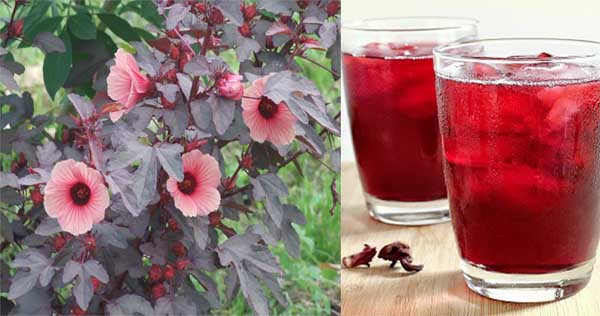
Hibiscus sabdariffa (also known as roselle or sorrel) is the most commonly used herb for infusing hibiscus. The calyxes of the flower are first dried and then brought to a boil to make an infusion. It can be eaten hot or cold, depending on everyone’s preference. Many traditional drinks are made from this plant, such as the agua of Jamaica in Mexico, but these are often very sweet and therefore less beneficial to health. We offer here 8 reasons to make the infusion of hibiscus your favorite herbal tea! Hibiscus infusion, properties: 8 reasons to have this herbal tea at home 1- Decreased blood pressure Several studies suggest that hibiscus infusion reduces blood pressure very effectively, even in people with health problems that increase their risk of high blood pressure. A study conducted in 2013 found that hibiscus infusion is used in a dozen countries as a natural treatment for high blood pressure, without evidence of harmful side effects – except for excessive consumption. Other studies have come to the same conclusion, and have confirmed the idea that hibiscus can lower the blood pressure of subjects at risk of hypertension, or with mild hypertension. An important fact is that these results are confirmed in people with diabetes. Indeed, one study found that after only 4 weeks, diabetic participants had lower blood pressure by consuming hibiscus infusion daily. The recommended daily dose was 3 glasses. Another study found that the hibiscus infusion may even be more effective than hydrochlorothiazide, a molecule widely used against high blood pressure, and did not have the disadvantage of causing electrolyte imbalances. 2- Maintaining a good level of cholesterol and triglycerides Hibiscus can help individuals with dyslipidemia to better balance their cholesterol and triglyceride levels. In addition, these are two risk factors for the metabolic syndrome, a set of symptoms that can have particularly harmful effects on the health of individuals. One study showed that hibiscus extract was an excellent natural remedy for lowering cholesterol and triglycerides in people with metabolic syndrome. As with blood pressure, the effects of hibiscus on blood lipids also affect people with diabetes. Indeed, a 2009 study found an increase in good HDL cholesterol, and a decrease in both LDL bad cholesterol and triglycerides when patients with diabetes drank hibiscus infusion twice a day. 3- Prevention of oxidative stress The hibiscus infusion is full of antioxidants that fight the oxidative stress caused by free radicals. This is due to the anthocyanins found in the plant, the natural pigments that give the flower its red color. One study found that hibiscus infusion consumption increased the load of antioxidants in the blood, and reduced the amount of compounds that contributed to oxidative stress. Since the participants had high amounts of hippuric acid, the researchers concluded that the polyphenols in the hibiscus had been transformed by the gut microbiota. 4- Prevention of certain cancers Hibiscus is increasingly studied in relation to its effects on cancer. A laboratory study found that hibiscus extract could kill leukemic cells. The mechanisms behind this effect are not yet known, but the results are promising. Similar findings have been found in relation to stomach cancer. 5- Reducing obesity and the risks that come with it The antioxidants in hibiscus protect cells, but other compounds in this plant can also encourage weight loss and minimize health problems related to overweight and obesity. There are several studies that have found a connection between hibiscus infusion and a faster metabolism. Hibiscus extract can even decrease the absorption of starch and sucrose following a meal. Drinking the hibiscus infusion at least once a day can help fight insulin resistance, a common sign of pre-diabetes. Indeed, this infusion can help maintain a good blood sugar level in individuals with diabetes. Another obesity-related disease is non-alcoholic fatty liver disease, an overload of liver fat unrelated to alcohol consumption. Studies have suggested that hibiscus infusion is good for liver health by preventing the accumulation of fats in it that can lead to cirrhosis, cancer of the liver and hepatocellular insufficiency. 6- Natural antidepressant The hibiscus infusion is one of the natural remedies for depression, fighting some of the signs of depression such as fatigue, hopelessness, lack of motivation, etc. This is a new field of research, but studies have shown that some bio-flavonoids found in the hibiscus flower could allow it to fight against depression. 7- Remedy for Staphylococcal Infection Extracts of hibiscus rosa sinensis, one of the plants sometimes used to make the infusion of hibiscus, has antibacterial abilities, especially against staphylococcus aureus. 8- Prevention of kidney stones Since the hibiscus infusion is a diuretic, it is studied in relation to the renal system and the urinary system. One study found that this infusion would reduce the appearance of compounds involved in the formation of kidney stones.
Don’t forget to follow NATURAL ORGANIC HUB for more tips.
 Natural organic hub.